


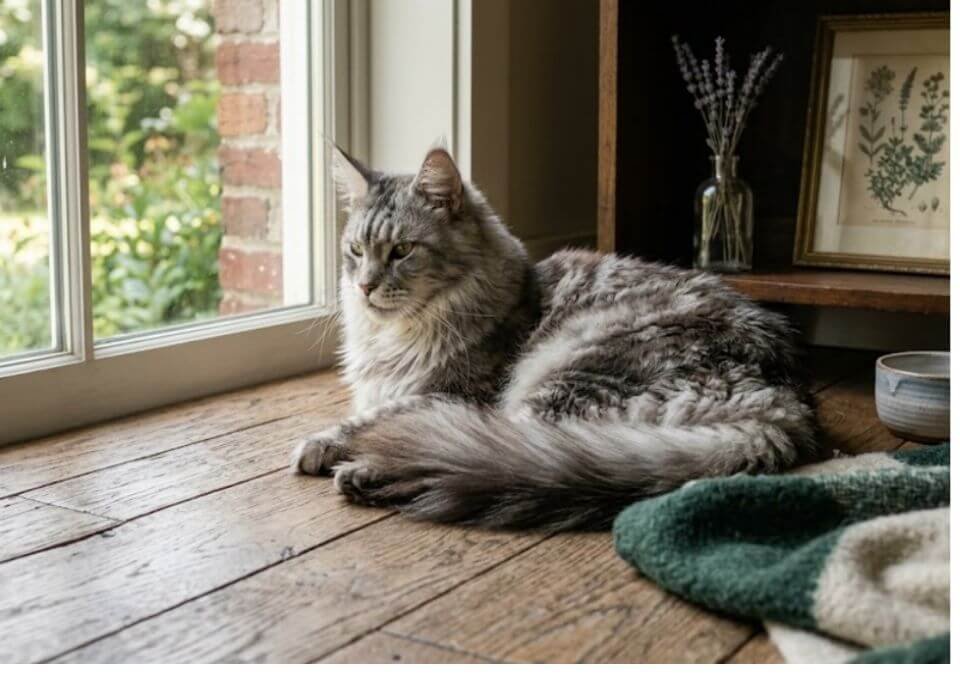


Maine Coon cats are one of the most desired domestic cat breeds in the world. Their impressive size, gentle temperament, and ability to form strong bonds with humans make them popular among cat lovers. If you are the owner of this majestic breed or just want to adopt one, a question may arise in your mind: how long do Maine Coon cats live?
Understanding a Maine Coon life expectancy is essential because it sets expectations for long-term care and helps you make informed decisions about health, nutrition, and lifestyle. The cat breed is generally robust but their longevity depends on some critical factors that every responsible owner should be aware of.
- Maine Coons typically live between 12 and 15 years, staying within the standard domestic cat average.
- superior nutrition and consistent veterinary care can extend this lifespan to 16 or 18 years.
- Exceptional care and strong genetics allow some individuals to reach the milestone of 20 years.
- Their substantial size influences their aging, as larger breeds mature differently than smaller cat varieties.
- Advancements in contemporary care and responsible breeding have led to marked improvements in Maine Coon longevity.
Factors That Influence a Maine Coon Life Expectancy
The life expectancy of a Maine Coon is shaped by a combination of genetics, environment, and daily care. No single factor determines longevity. Instead, it is the result of consistent, long-term management.
1. Genetics and Breeding Quality
A Maine Coon’s genetic background plays a foundational role in its health. They are purebred lineage and susceptible to certain hereditary conditions which can impact on their overall lifespan. Breeders who screen for Hypertrophic Cardiomyopathy (HCM) and Spinal Muscular Atrophy (SMA) significantly increase the chances of their kittens living a full, healthy life. So, responsible breeding practice is the first way of protection.
When buying or adopting a Maine Coon cat, you must choose an ethical breeder like Affordable Maine Coon Kittens.
Hypertrophic Cardiomyopathy (HCM) is the most common heart disease in cats and is particularly prevalent in this breed. It causes the muscular walls of the heart to thicken, making the organ work harder and eventually leading to heart failure or thromboembolism. Identifying this early through echocardiograms can lead to management strategies that preserve quality of life.
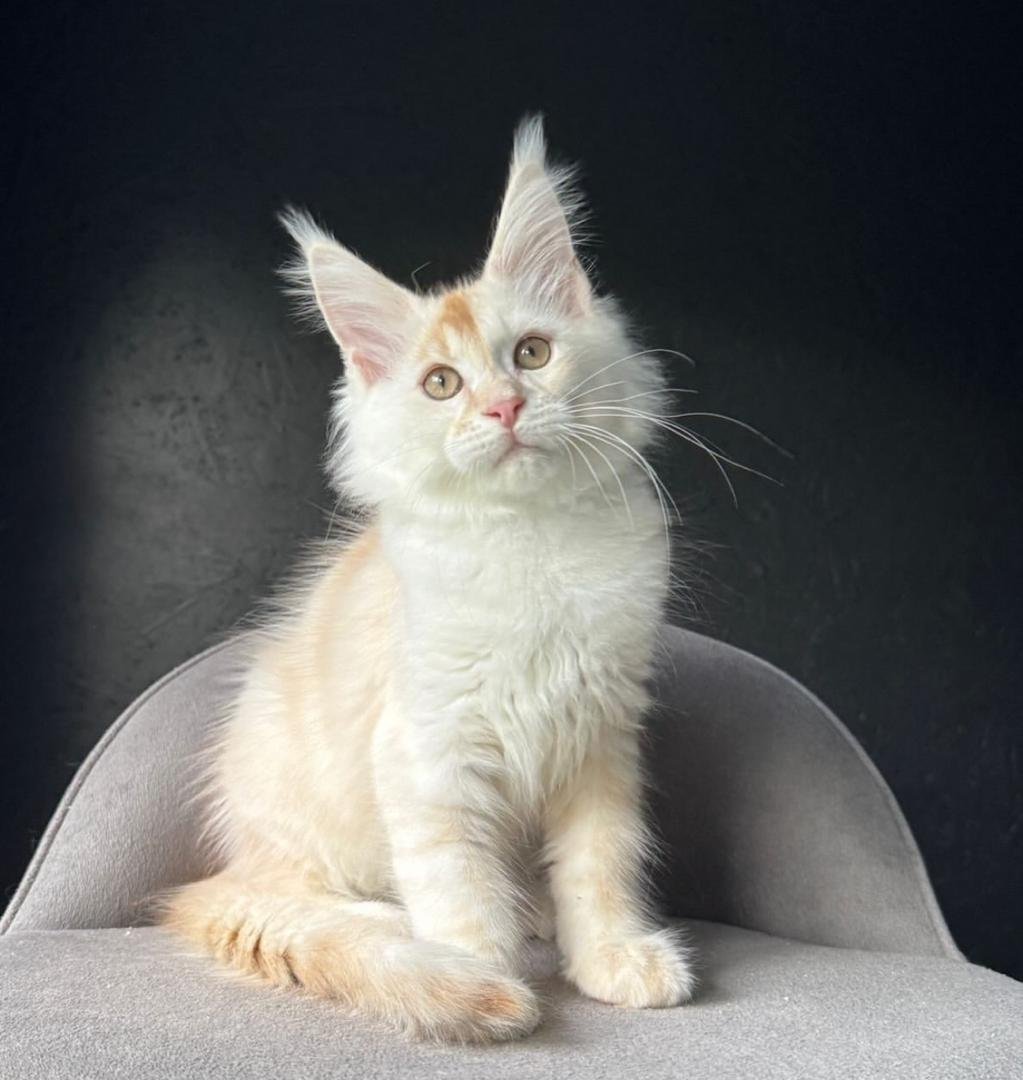
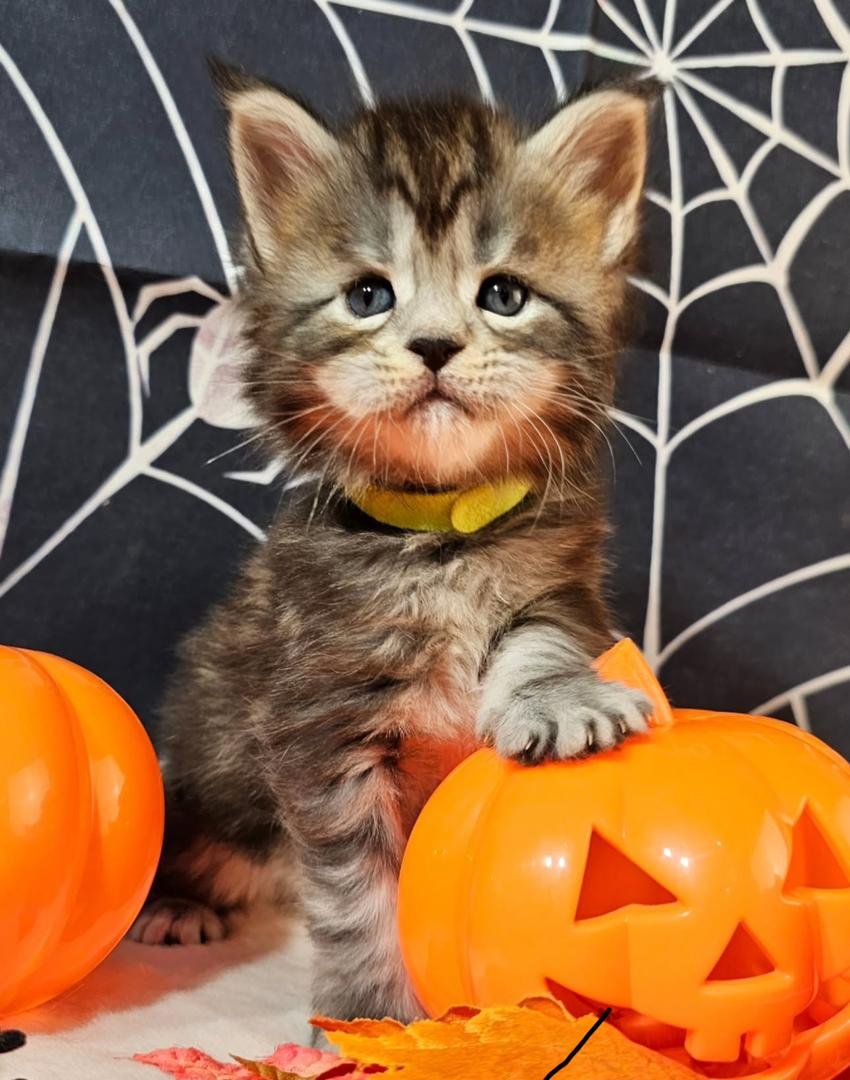
Some Quality-Bred Kittens with Ethical Heritage:

2. Nutrition and Diet
Nutrition is perhaps the most controllable factor in determining how long Maine Coons live. As a large breed cat, their dietary needs are significantly different from the smaller breeds. They require protein rich foods to maintain their substantial muscle mass. They are also prone to obesity which can put pressure on their joints and heart.
A balanced diet should focus on “life stage” nutrition. Kittens need calorie enriched food for a long growth period (can grow until 4 or 5 years old). On the other hand, seniors should have renal-friendly, minimally phosphorus diets.
Key Nutritional Pillars
- Controlled Caloric Intake: The obesity should be prevented to avoid secondary issues like Feline Diabetes.
- Hydration Management: Maine Coons often love water but like all other cats, they are also prone to kidney disease. So, they always need to keep easy access to water in their living space. Water fountains are a great way to encourage frequent drinking.
- Omega-3 Fatty Acids: These supplements support joint health, which is crucial for a heavy breed prone to Hip Dysplasia.
- Wet Food Integration: Incorporating wet food helps maintain hydration and provides a texture that many cats prefer as they age.
3. Proactive Veterinary Care and Monitoring
For maximuming Maine Coon cat lifespan, owners need to implement active health monitoring instead of relying on health issues that already exist. Professional feline management requires a proactive, preventative veterinary schedule. The process of conducting regular check-ups enables medical professionals to identify health problems which remain concealed until they become visible.
Senior cats (over 7 years old) should receive bi-annual examinations. The examinations should include complete blood tests which evaluate kidney and liver health together with dental assessments. Dental disease is often overlooked yet it results in systemic infections which damage both heart and kidney function, thus reducing the life expectancy of a Maine Coon.
4. Lifestyle: Indoor vs Outdoor Living
One of the most significant influences on a Maine Coon cat life expectancy is their living place.
Indoor cats usually live longer than outdoor cats because indoor environments keep them safe from outdoor dangers. Outdoor exposure increases the chances of accidents, infections, predator-related injuries, environmental hazards and other dangers that can reduce lifespan.
For longevity, a controlled indoor environment is strongly recommended.
5. Exercise and Mental Stimulation
The breed is really very intelligent and active. To maintain their healthy weight and keep them free from boredom, regular physical activity is essential. Daily exercise helps to reduce obesity risk, support joint and heart health and improve mental health.
Mental stimulation is equally important, as boredom can lead to stress and behavioral issues, indirectly affecting overall health.
6. Common Health Issues That Affect Lifespan
The Maine Coon is considered a hardy breed, but certain health problems may affect its long-term potential.
- Hip Dysplasia: A hereditary condition where the hip joint doesn’t fit together perfectly. While rarely fatal, it causes chronic pain and reduced mobility, which can impact overall vitality.
- Polycystic Kidney Disease (PKD): A genetic condition where cysts form on the kidneys. Modern DNA testing has helped breeders reduce the prevalence of this, but it remains a factor in feline longevity.
- Stomatitis: Severe inflammation of the mouth and gums. While treatable, it requires professional intervention to ensure the cat can continue to eat and maintain its weight.
Early detection and effective treatment of these health conditions could make a massive difference in prolonging the life expectancy of a Maine Coon.
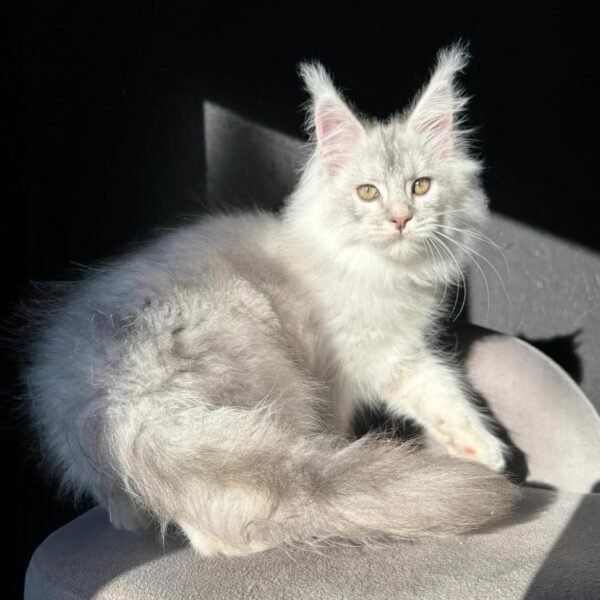
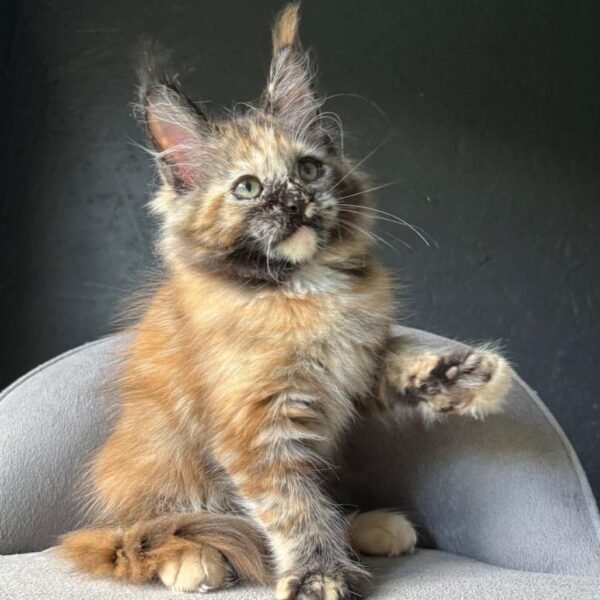
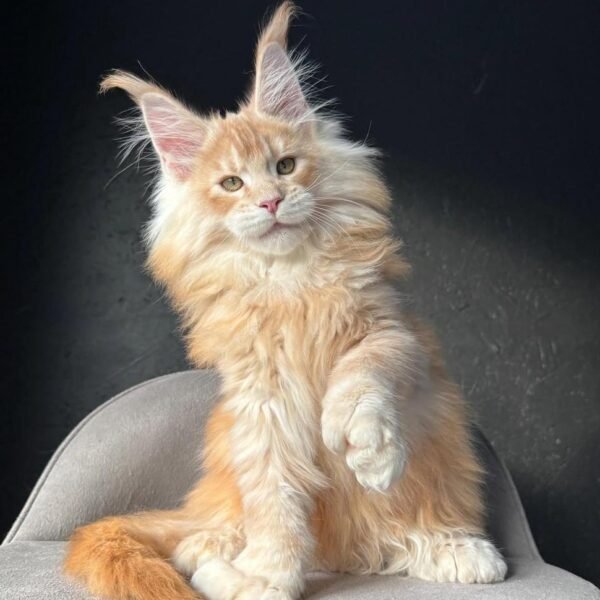
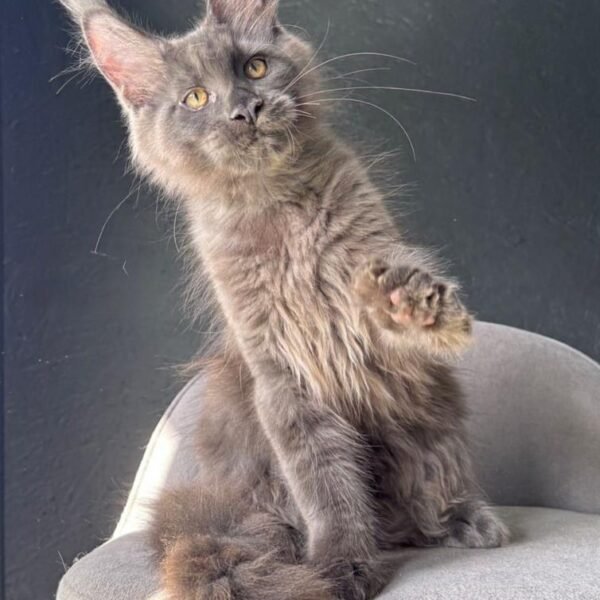
Some Healthy Maine Coon Kitten at Affordable Price at AffordableMaineCoonKittens:
How to Maximize a Maine Coon Cat Lifespan
Though genetics play a vital role in the lifespan, it is much with the owner’s control. Consistent care and attention can add years to your cat’s life.
Besides, prevention is better than cure. So, regular veterinary visits are mandatory to identify any underlying health issue at the early stage. A preventive care routine typically includes annual veterinary checkups, vaccinations and parasite control, routine dental care and periodic health screenings.
Dental health deserves special attention. Poor oral hygiene can lead to infections that affect major organs, making it a hidden but important factor in longevity.
Premium quality formulated cat foods are crucial to support their health. Proper foods that have essential nutritions are crucial to maintain healthy weight.
Keeping them in a safe indoor environment is another important factor to increase their lifespan. The living space should be free from any toxic elements which are harmful for cats.
At last, daily physical and mental activity are another important way to support long term health. Interactive cat toys are great tools to keep them active both physically and mentally.
For maximizing lifespan, overall health and well-being are mandatory. Owners should have enough knowledge to take care of Maine Coon cats.
Owning a Maine Coon involves long-term responsibility and financial commitment. While the initial Maine Coon price can be significant, the real investment lies in ongoing care, including high-quality nutrition, routine veterinary visits, and overall well-being.
Signs of Aging in Maine Coons
As Maine Coons grow older, their bodies and their behavior patterns begin to show gradual transformations. The early identification of these symptoms enables pet owners to make necessary adjustments to their pet care routines.
Common signs of aging include:
- Reduced activity levels
- Changes in appetite or weight
- Increased sleeping
- Dull or thinning coat
- Dental issues
These deviations are normal, but they should always be examined to rule out any preexisting health conditions.
Caring for a Senior Maine Coon
Older Maine Coon cats need some special care. Comfort, nutrition, and health monitoring are the concerns which should be focused more.
To support aging Maine Coons, prioritize a senior-specific diet for bone strength and provide soft, accessible orthopedic cat beds for joint support. Additionally, you should minimize their need for jumping and increase the frequency of veterinary checkups.
These small but meaningful changes can significantly improve both Maine Coon longevity and quality of life.
Note: “Longevity is the result of a partnership between the breeder’s ethics, the owner’s daily care, and the veterinarian’s expertise. A Maine Coon that reaches 15 years is a testament to consistent, high-quality management.”
Summary of Lifespan Factors
| Category | Standard Maine Coon | Polydactyl Maine Coon | Notes / Typical Range |
|---|---|---|---|
| Adult / Older Cat (pet quality) | $800 – $2,000 | $1,500 – $3,000+ | Adults are usually less expensive than kittens (unless show quality). |
| Adult / Older Cat (show / breeding quality) | $2,000 – $4,000+ | $3,000 – $6,000+ | When the cat has top lineage, health certificates, breeding rights. |
| Kitten (pet quality, standard toes) | $1,000 – $4,000 | — | Many breeders quote $1,000 to $4,000 for healthy Maine Coon kittens. |
| Kitten (show / breeder / rare colors) | $2,500 – $5,000+ | $3,000 – $6,000+ | Rare colors or desirable traits push prices upward. |
| Polydactyl Kitten Specific | — | ~$2,800 (base) to ~$3,100 (black smoke variant) |
Example: Gold Rush Maine Coons lists polydactyl kittens at $2,800, and black smoke polydactyl at $3,100 |
The most important takeaway is that Maine Coon lifespan is not fixed. It is shaped by daily decisions such as nutrition, healthcare, environment, and attention. Owners who invest in these areas often enjoy not just a longer lifespan, but a healthier and more fulfilling life for their cat. If you’re unsure whether this breed is right for you, check out our blog post: Do Maine Coons Make Good Pets?
A Maine Coon is more than just a pet. It is a long-term companion. With the right care and commitment, you can ensure that your cat lives a long, healthy, and rewarding life by your side.